Kinsella on Liberty Podcast: Episode 492.
This is my interview by Matthew Geiger of the Carl Menger Institute for Menger Institute Podcast #6 (recorded June 11, 2026). Shownotes and transcript below.
Related tweet:
at 13:20, defending the late Millennials and early Gen Z against snide criticisms of their plight–living with their parents, working at Starbucks, playing video games, not having kids, and so on–by the older generations who did this to them. Inflation, shitty schools, the debt…
— Stephan Kinsella (@NSKinsella) June 14, 2026
Related links
- TBD
Shownotes (Grok)
Podcast Show Notes
Episode Title: Stephan Kinsella: From Patent Attorney to Anarcho-Libertarian Theorist – Property Rights, IP, Bitcoin, and the Future of Liberty
Guest: Stephan Kinsella – Retired patent attorney, prolific libertarian writer, anarcho-libertarian legal theorist, and key figure associated with the Mises Institute and Property and Freedom Society.
Episode Summary:
Matthew Geiger sits down with Stephan Kinsella for a deep, wide-ranging conversation covering Kinsella’s personal journey into libertarianism, the philosophical foundations of libertarian thought, the critical importance of property rights, the case against intellectual property, generational challenges, technological disruption, foreign policy critiques, and an optimistic long-term vision for human freedom.
Topics & Timestamps
Introduction
0:00
Matthew Geiger welcomes listeners to the Menger Institute podcast and introduces Stephan Kinsella as a retired patent attorney and libertarian writer. Kinsella expresses his excitement about the conversation.
How Stephan Kinsella Discovered Libertarianism
0:19
Matthew Geiger asks Kinsella to share his personal story, including his work with Murray Rothbard and Hans-Hermann Hoppe. Kinsella recounts growing up in a conservative Louisiana household with little political or economic knowledge. A librarian gave him The Fountainhead in high school, sparking his interest in philosophy, individualism, and free-market economics. He read voraciously, quickly became a libertarian, then an Austrian, and eventually an anarchist during college and law school. He practiced oil & gas, international, and eventually patent law for 30 years while pursuing libertarian theory as an avocation, attending Mises Institute events since 1995.
Libertarian vs. Anarchist: Definitions and Preferences
2:17
Matthew Geiger asks about the distinction between calling oneself a libertarian versus an anarchist. Kinsella explains different axes of libertarianism (activism vs. theory vs. personal conduct) and argues that libertarianism is a consistent extension of classical liberalism centered on self-ownership and Lockean property rights. He details why the Non-Aggression Principle (NAP) is actually a shorthand for a deeper cluster of property rules — homesteading, contract, and rectification — rather than a standalone axiom. He makes the case that the most consistent libertarians are anarchists, while minarchists are libertarians with an asterisk, and classical liberals are close intellectual cousins but not true libertarians.
Matthew Geiger on Labels and Consistency
10:19
Matthew Geiger shares his own thoughts on the dilution of the term “libertarian” and his preference for “anarchist.” He discusses taking the label back from the left and echoes Hoppe’s view that the state is always socialist. Geiger and Kinsella agree that the most principled position is anarcho-libertarianism (or Austro-libertarianism), which recognizes the natural emergence of hierarchy, authority, norms, and social consequences in a free society — things many modern libertarians mistakenly reject.
Younger Generations, Cultural Shifts, and Advice
13:23
Matthew Geiger asks about cultural and political trends among younger generations, referencing Javier Milei’s popularity, and requests advice for them. Kinsella sympathizes with Gen Z and Millennials, blaming previous generations for poor education, inflation, debt, and making normal life unaffordable. He advises libertarians to adopt a long-term perspective, read Albert Jay Nock’s Isaiah’s Job, focus on being part of the “remnant,” maintain balance in life (career, finances, family), and avoid burning out on short-term activism. He also reflects on how the libertarian movement has grown larger, more international, and more radical since the 2008 Ron Paul campaign, though newer adherents tend to be less well-read.
Optimism About Technology, Fragmentation, and the Future
21:40
Matthew Geiger expresses optimism about technology, the internet, AI, and the erosion of state monopolies on force and information. Kinsella shares a cautious but ultimately hopeful outlook. He discusses the benefits of media fragmentation (less centralized propaganda), the logic of Bitcoin succeeding on its own merits rather than activism, and why liberty, if achieved, will be because it is natural and inevitable. He touches on the Fermi paradox and great filter while maintaining long-term civilizational optimism.
Foreign Policy, Economics, and IP Imperialism
31:59
Matthew Geiger circles back to connections between culture, foreign policy, and monetary policy, critiquing U.S. aid to Israel and mercantilist justifications. Kinsella delivers a sharp analysis of Pax Americana, dollar hegemony, the military-industrial complex, and how the U.S. exports inflation while benefiting certain industries. He describes “IP imperialism” — patents and copyrights — as tools that allow Hollywood, Big Pharma, and defense contractors to extract wealth from the rest of the world.
Stephan Kinsella on Decentralization, IP, and the Future of the State
36:14
The conversation continues with Matthew Geiger noting decentralization in music production. Kinsella explains how technology (internet, streaming, piracy) has already weakened copyright and predicts 3D printing, robotics, and AI could eventually undermine pharmaceutical patents. He launches into a passionate critique of intellectual property as one of the most anti-libertarian, innovation-harming policies in existence. He envisions technology enabling greater self-sufficiency, causing the state to gradually wither away like the British monarchy — becoming largely ceremonial while private enterprise and civil society take over most functions. Kinsella ends on a hopeful, if long-term, note about humanity maturing beyond tribalism and primitive superstitions.
Closing Thoughts and Resources
55:08
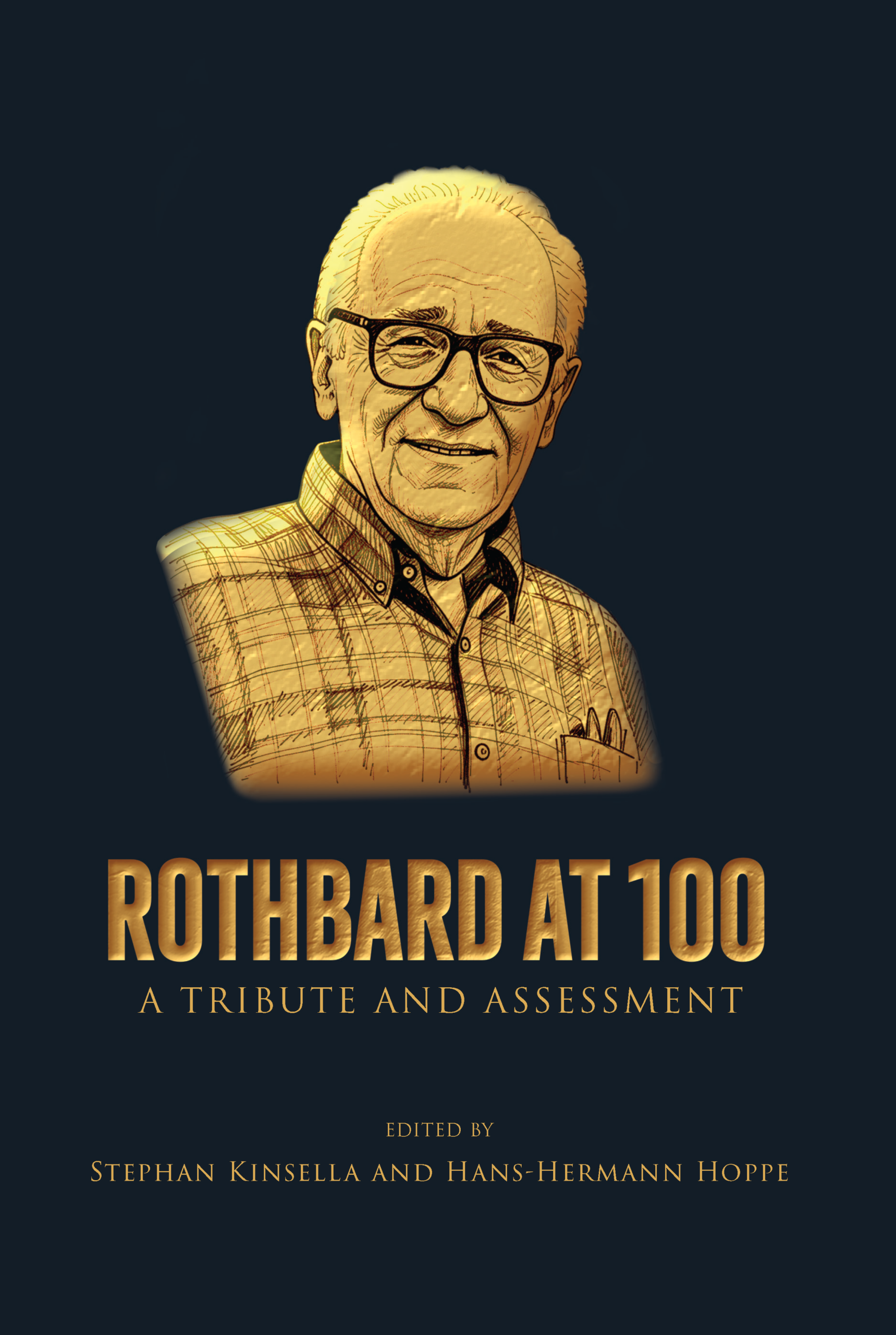
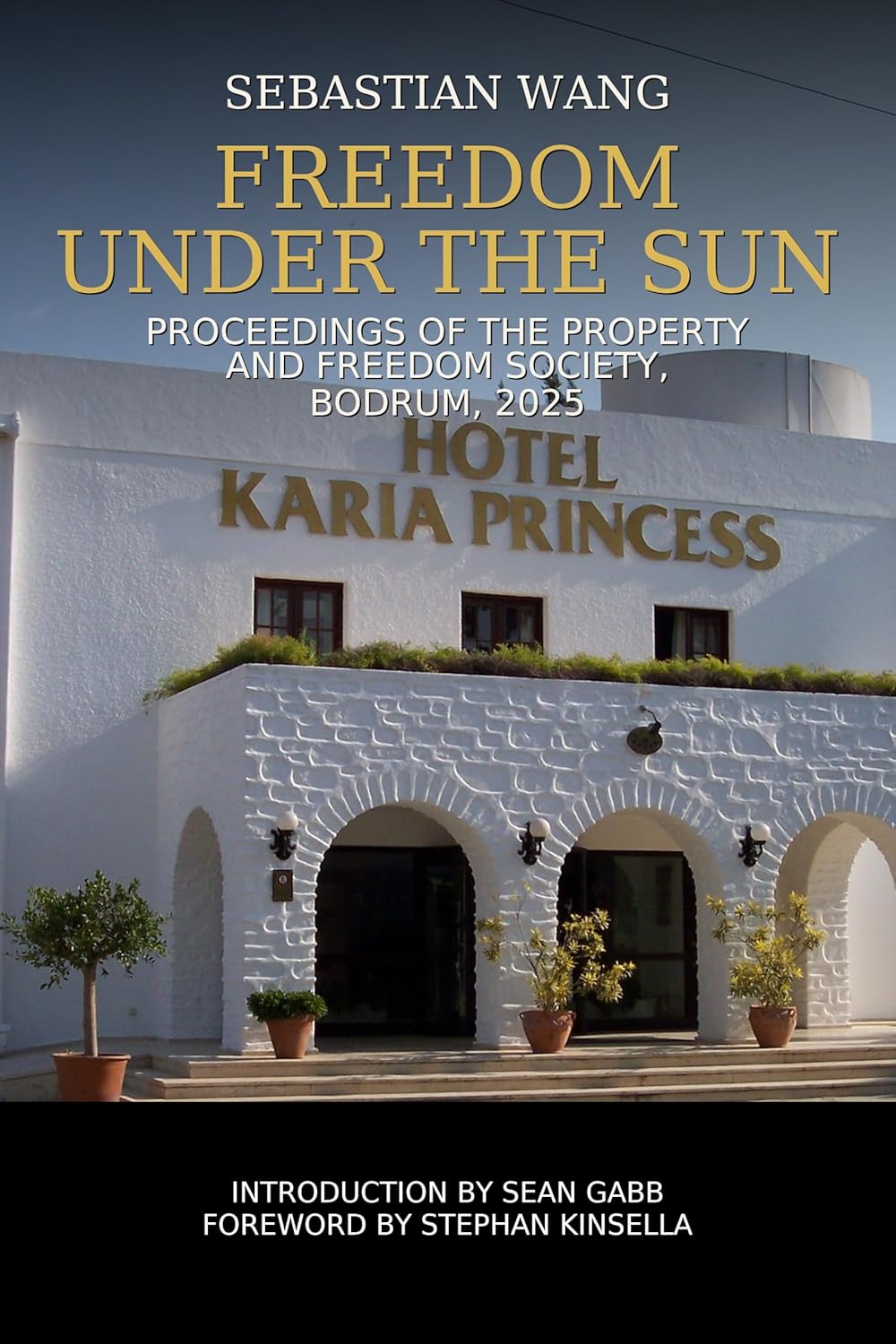
Stephan Kinsella promotes the Property and Freedom Society’s annual conference in Turkey, the new book Rothbard at 100, and his “Universal Principles of Liberty” project (a concise statement of libertarian legal principles). Matthew Geiger thanks Kinsella and expresses interest in attending future events.
Links & Resources:
- Stephan Kinsella: stephankinsella.com
- Property and Freedom Society: propertyandfreedom.org
- Rothbard at 100 (pre-order available)
- Mises Institute
Episode Length: Approximately 58 minutes
This episode offers a rich blend of personal history, rigorous libertarian theory, sharp cultural commentary, and forward-looking optimism. Highly recommended for anyone interested in Austrian economics, property rights, critiques of intellectual property, and the future of freedom.
Read more>>
Discover more from The Property and Freedom Society
Subscribe to get the latest posts sent to your email.










 Alessandro Fusillo
 Andreas Tögel
 David Dürr
 Doug French
 Fernando Chiocca
 Greg Morin
 Hans-Hermann Hoppe
 Jay Baykal
 Jayant Bhandari
 Jeff Deist
 Jeffrey Barr
 Juan Fernando Carpio
 Ken Yamarashi
 León Isidoro
 Martin Cabrera
 Nick Hoppe
 Oscar Grau
 Peter Wong
 PFS
PFS scholarium
 Saifedean Ammous
 Sean Gabb
 Sean Ring
 Stephan Kinsella
 Stéphane Geyres
 Thomas Jacob
 Tom DiLorenzo