Guillermo Carvajal, “Roman Emperors Did Plan for the Future of Their Dynasties, According to a Study,” La Brújula Verde (Aug. 16, 2026). Calls to mind Hoppe’s criticism of democracy and the relative merits of monarchy.
Related
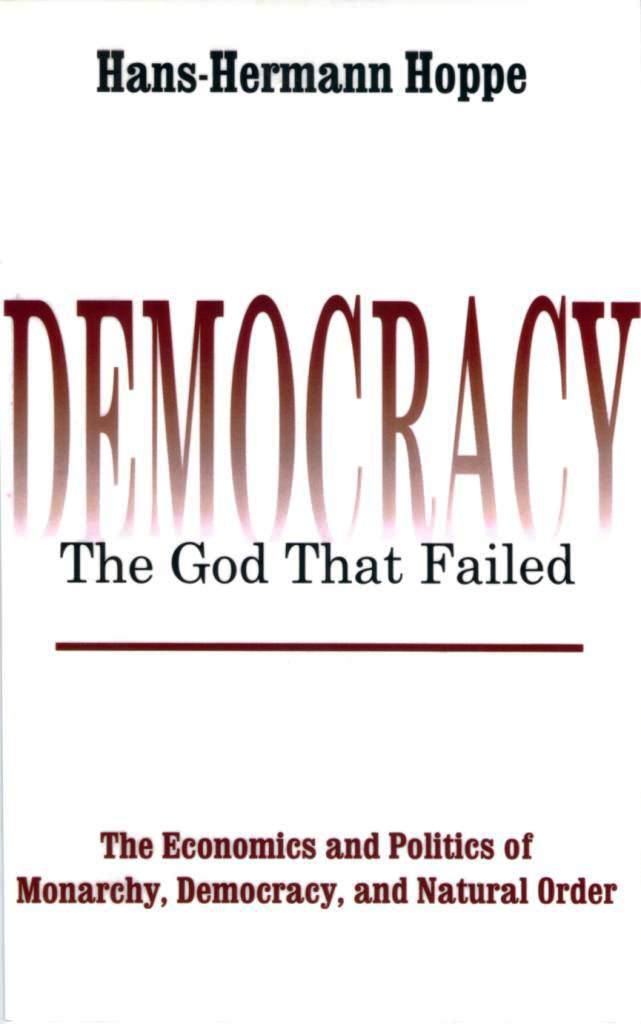
- Hans-Hermann Hoppe, “Time Preference, Government, and the Process of De-Civilization—From Monarchy to Democracy,” in Democracy: The God That Failed (Transaction, 2001)
- Kinsella, Hoppe Is Not A Monarchist
Guillermo Carvajal, “Roman Emperors Did Plan for the Future of Their Dynasties, According to a Study,” La Brújula Verde (Aug. 16, 2026)

Vespasianus, Titus and Domitian in a work by painter Lawrence Alma-Tadema
An Australian study dismantles the idea that imperial succession was improvised and shows deliberate strategies to ensure family power for generations
Were Roman emperors simply improvisers who waited to see what would happen after their death? Or did they carefully plan for the future of their dynasties, thinking not only about their immediate successor but also about several generations to come? A new study published in the Bulletin of the Institute of Classical Studies answers: most emperors did think strategically about the long term.
Caillan Davenport, a researcher at the Australian National University, has analyzed succession plans from Augustus to Commodus (from 27 B.C. to A.D. 192) and concludes that, despite the absence of fixed inheritance laws, emperors deployed multiple strategies to keep the throne in their family.
The work introduces the concept of “dynastic scenario thinking”—taken from studies of early modern Europe—to explain how emperors anticipated threats and complications in the transmission of power.
Discover more from The Property and Freedom Society
Subscribe to get the latest posts sent to your email.











 Alessandro Fusillo
 Andreas Tögel
 David Dürr
 Doug French
 Fernando Chiocca
 Greg Morin
 Hans-Hermann Hoppe
 Jay Baykal
 Jayant Bhandari
 Jeff Deist
 Jeffrey Barr
 Juan Fernando Carpio
 Ken Yamarashi
 León Isidoro
 Martin Cabrera
 Nick Hoppe
 Oscar Grau
 Peter Wong
 PFS
PFS scholarium
 Saifedean Ammous
 Sean Gabb
 Sean Ring
 Stephan Kinsella
 Stéphane Geyres
 Thomas Jacob
 Tom DiLorenzo