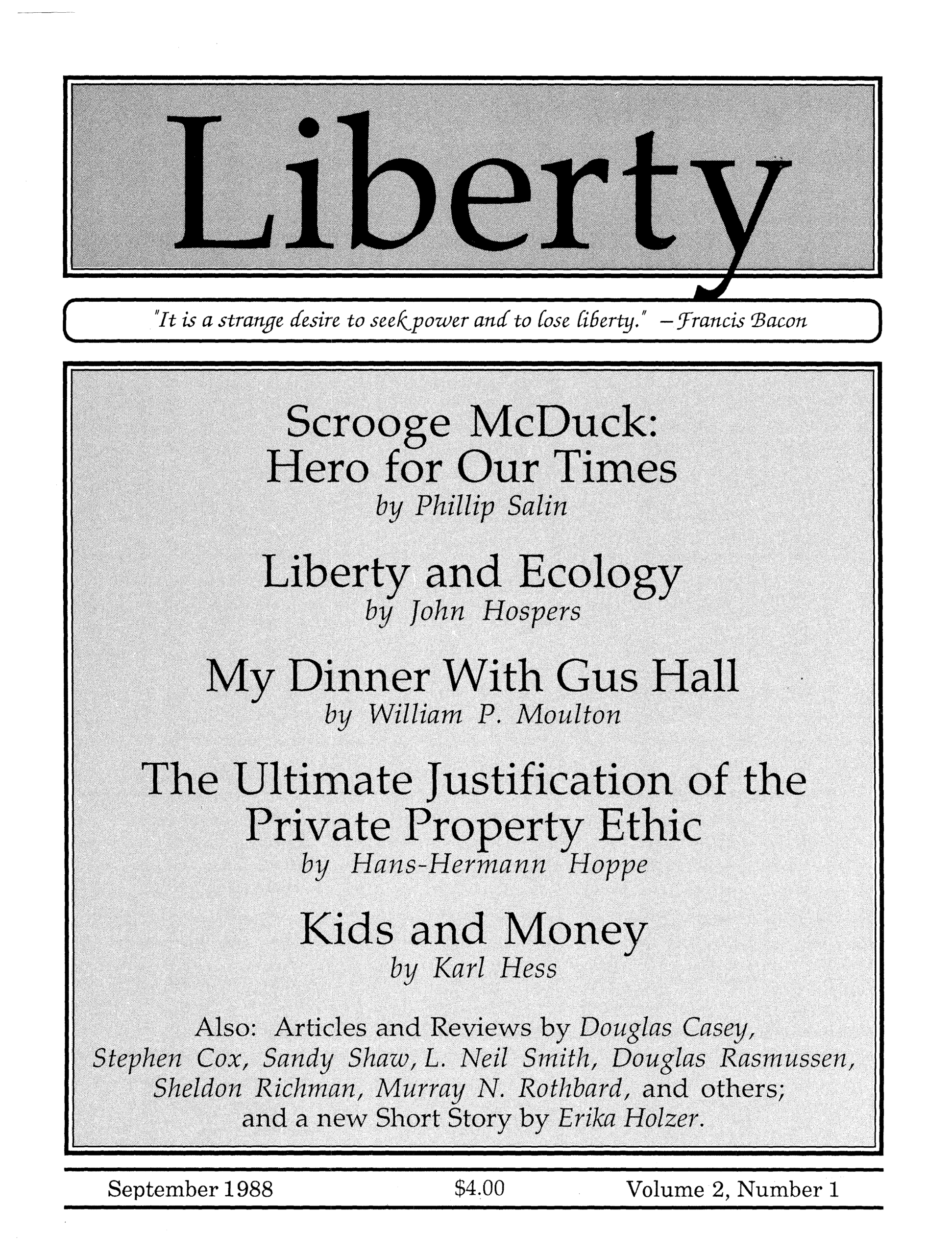
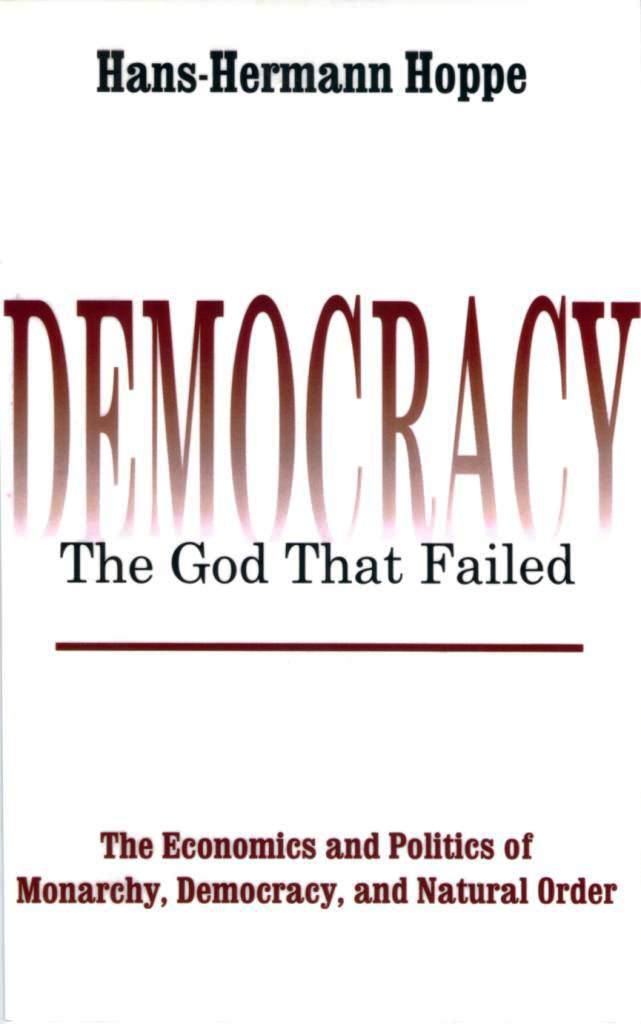
 From the vault: Murray N. Rothbard, “Iran and Korea: The Ominous Parallels” (p. 9), in the Reflections section, Liberty (September 1988): —. This issue also contains Rothbard, “Taking Libertarianism Seriously” and also includes Hans Hoppe’s significant article “The Ultimate Justification of the Ethics of Private Property,” which inspired a symposium in the next issue and much scholarly commentary and controversy over the following 28 years, which continues to this day.1
The title of the Reflection is no doubt a poke at Leonard Peikoff’s overwrought Kant-bashing The Ominous Parallels: The End of Freedom in America (see also his The Cause of Hitler’s Germany). Here is the text:
Iran and Korea: The Ominous Parallels—on the morning of July 3, a United States Navy warship in the Persian Gulf shot down an Iranian civilian jet airliner, Iran Air Flight 655, murdering 290 innocent people, including the crew and 66 children. The jet was on a regularly sched-uled half-hour commuter flight from Iran to Dubai.
There is an uncanny resemblance between this “barbaric massacre of innocent passengers,” as the Iranian Foreign Minister properly called it, and the Soviet shootdown of Ko-rean Airline civilian jet 007 over Soviet airspace on Septem-ber 1, 1983. In both cases, the defense of the shooters is that the plane failed to respond to warning messages sent by the Soviet/U.S. military installation. The number of civilians murdered was similar, 290 as against 269 in the earlier shooting.
But let us pay attention to the fantastic difference in re-sponse, in attitude, of the U.S. press in general, and of conservatives-libertarians in particular over the two incidents. In the current U.S. shootdown, the American government grudgingly “regretted the accident” but scarcely apologized for its barbaric act. In the Soviet shootdown, the U.S. govern-ment, press, and the conservative movement rushed immediately to judgment, brushing aside questions of warning signals not being heard as irrelevant, denouncing Soviet ex-cuses, squelching any indications that the Korean jet was spying on the Soviets, and condemning the shootdown of a civilian jet as an action that could only emanate from a rot-ten and despicable social system. A Randian group took the trouble to buy full-page ads throughout the country trumpeting its conclusion that the shootdown demonstrated the ineradicably evil nature of the Communist system, and claiming that the Soviet government should be treated the way local police treat murderers. My own column on the subject for Reason pointing out that the Soviets were within their rights in international law defending their airspace, was angrily re-jected by Bob Poole, leading to my immediate departure from Reason’s ranks.
The real difference between the two incidents is that the KAL ship invaded Soviet territory in a sensitive area near crucial military installations; whereas U.S. warships are in an area close to Iran and other countries where they have no business.
Instead, of course, the U.S. press and government have been sympathizing, not with the innocent Iranian victims and their relatives, but with the anguish of the poor commander of the U.S. warship, pointing out that he could have shot down the airliner earlier than he did. Well, bully for him! The government and press have also contended that the KAL and Iran Air shootdowns are not analagous because the Iran jetliner flew into a “combat situation” between the U.S. warship and two Iranian gunboats. So what? This was a regularly scheduled airliner. The crucial and overlooked point is: what the hell are U.S. warships doing in the Persian Gulf anyway? The real difference between the two incidents is that the KAL ship invaded Soviet territory in a sensitive area near crucial military installations; whereas U.S. warships are in an area close to Iran and other countries where they have no busi-ness! When the Reagan Administration steamed into the Persian Gulf, its excuse was that it was simply “keeping the peace,” and that no escalation of violence could occur. How many more brutal and violent incidents are needed before the American people rise up and demand: “U.S. Out of the Gulf!”? -MNR
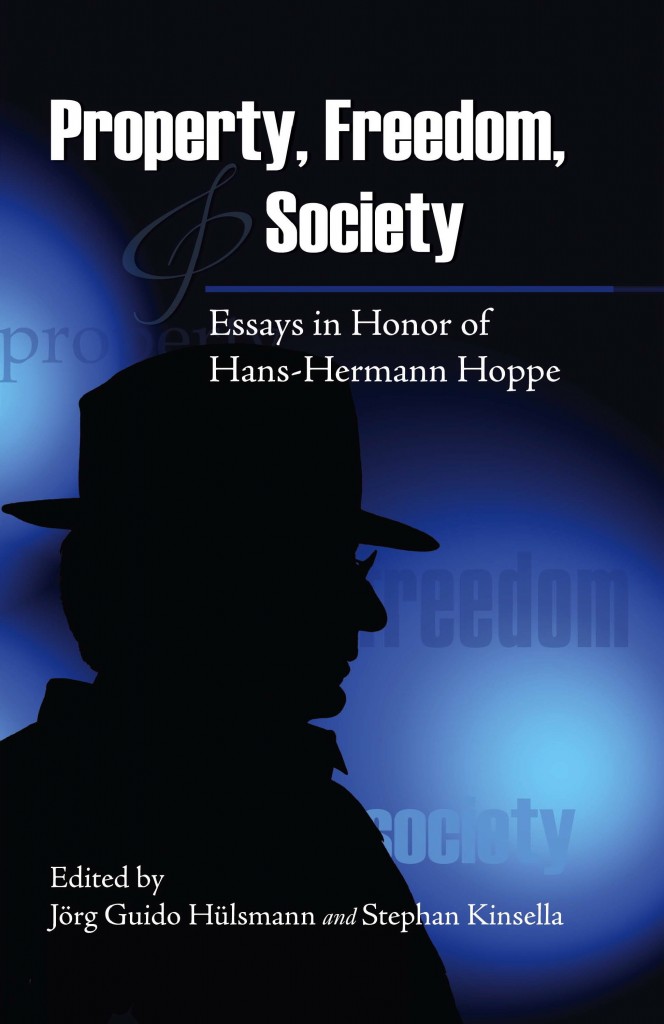
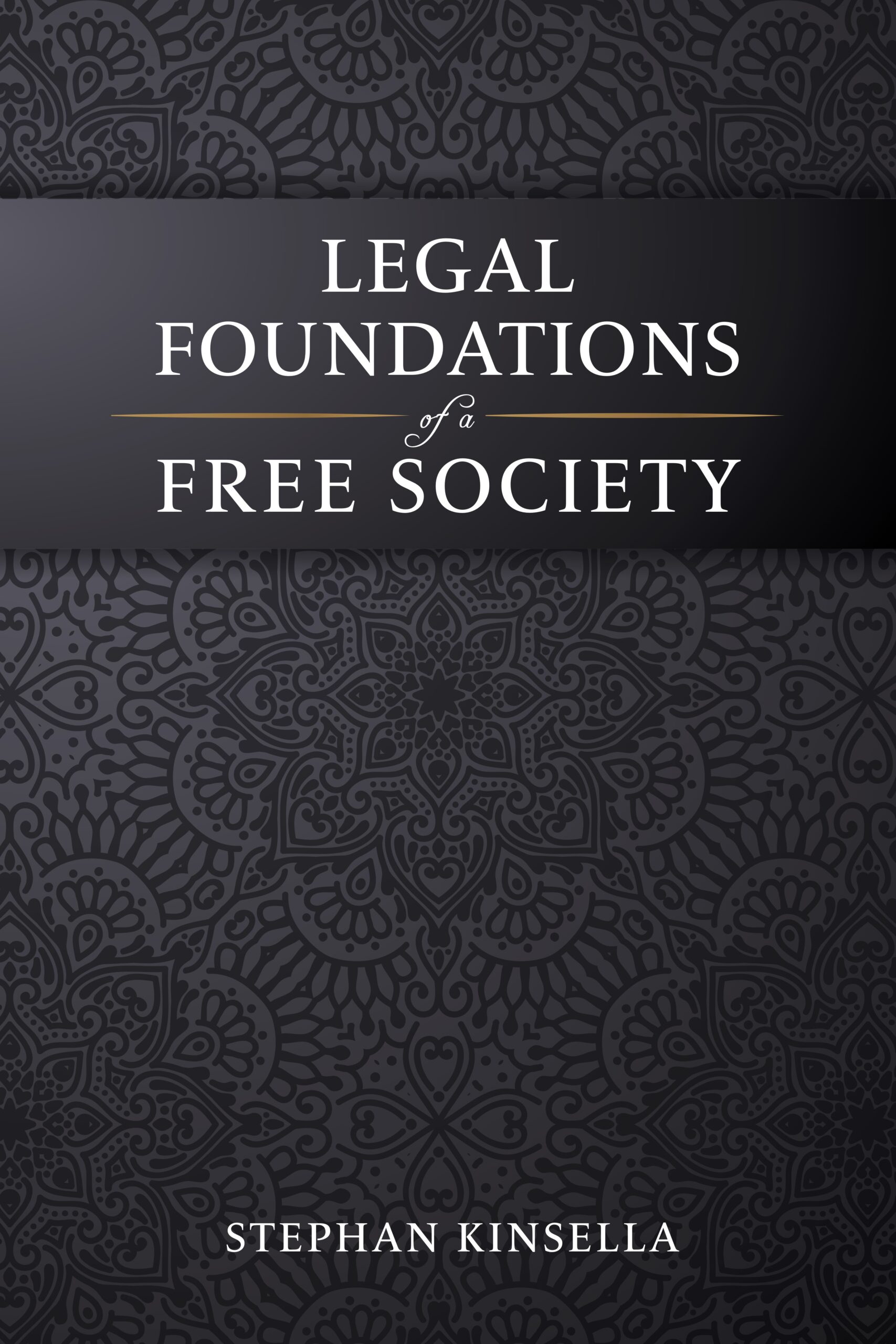
- Hans-Hermann Hoppe, “The Ultimate Justification of the Ethics of Private Property” (September 1988; also in EEPP); Symposium on Hoppe’s argumentation ethics: “Breakthrough or Buncombe?”, esp. Murray N. Rothbard, “Beyond Is And Ought” (Nov. 1988); Kinsella, “Argumentation Ethics and Liberty: A Concise Guide,” Mises Daily (May 27, 2011); Kinsella, “A Libertarian Theory of Punishment and Rights,” “Dialogical Arguments for Libertarian Rights,” and “Defending Argumentation Ethics: Reply to Murphy & Callahan,” all in Legal Foundations of a Free Society (Houston, Texas: Papinian Press, 2023); “The Genesis of Estoppel: My Libertarian Rights Theory“; “Hoppe’s Argumentation Ethics and Its Critics,” “Revisiting Argumentation Ethics.” [↩]













 Alessandro Fusillo
 Andreas Tögel
 David Dürr
 Doug French
 Fernando Chiocca
 Greg Morin
 Hans-Hermann Hoppe
 Jay Baykal
 Jayant Bhandari
 Jeff Deist
 Jeffrey Barr
 Juan Fernando Carpio
 Ken Yamarashi
 León Isidoro
 Martin Cabrera
 Nick Hoppe
 Oscar Grau
 Peter Wong
 PFS
PFS scholarium
 Saifedean Ammous
 Sean Gabb
 Sean Ring
 Stephan Kinsella
 Stéphane Geyres
 Thomas Jacob
 Tom DiLorenzo
Follow Us!