TRANSLATIONS: Chinese | Dutch | French | German | Portuguese | Russian | Spanish |
Additional Information
- Press & Offsite Material
- Hoppe, The Property And Freedom Society—Reflections After Five Years, The Libertarian Standard (June 10, 2010) (published as “My Life on the Right,” The Great Fiction: Property, Economy, Society, and the Politics of Decline, 2d. ed (Auburn, Ala.: Mises Institute, 2021)
- Hoppe, The Role of the Property and Freedom Society in a Crazy World (May 22, 2009, Property and Freedom Society 2009 Annual Meeting Introductory Speech, Bodrum, Turkey) (“This Crazy World” in The Great Fiction)
- Hans-Hermann Hoppe & Gulcin Imre Hoppe, 2006–2015: PFS, Now and Then
- Hoppe, Tom Woods Elite Letter: The Hoppe Interview: PFS Comments
- Sean Gabb, 10 Years of PFS
History
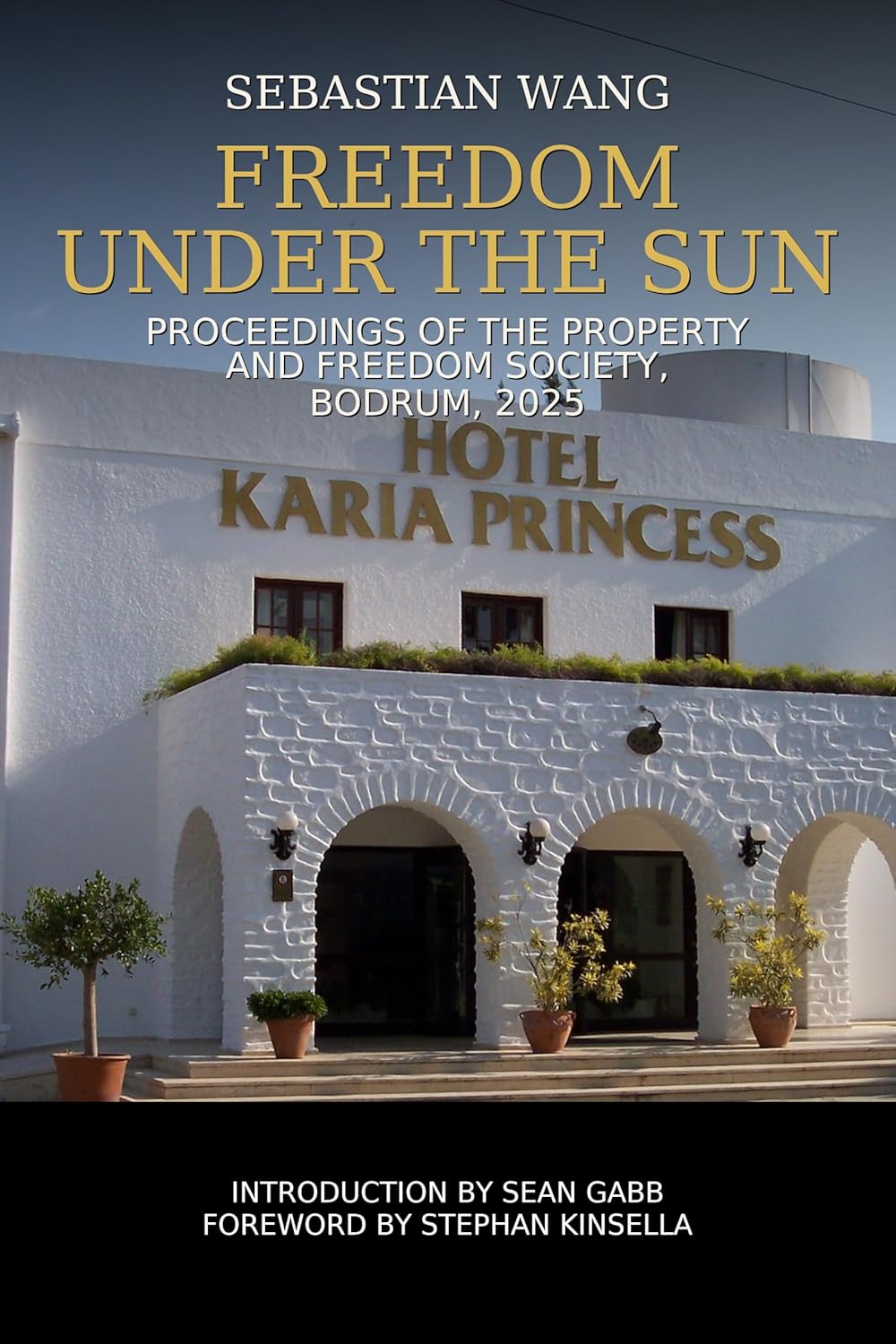
The Property and Freedom Society (PFS; Facebook page ) was established in May, 2006 at the initiative of world-renowned libertarian philosopher and Austrian economist Hans-Hermann Hoppe . The Inaugural Meeting was held at the Hotel Karia Princess in Bodrum, Turkey (photographs from the inaugural meeting).
The idea of founding an international society for the promotion of “Austro-Libertarianism,” the economic and social philosophy most prominently represented during the 20th century by the Austrian economist Ludwig von Mises and his leading American student Murray N. Rothbard, and tying back to the 19th century French economists Frederic Bastiat and Gustave de Molinari, were first presented by Hans-Hermann Hoppe in August 2005 during a small informal gathering at the annual Mises Institute Summer University, in Auburn, Alabama. Those present at the meeting, Thomas DiLorenzo , Guido Hülsmann, and Ralph Raico, welcomed the project, and Guelcin Imre offered to host the inaugural meeting of the society in Bodrum, Turkey. Shortly afterwards, Walter Block, Joseph Salerno, and Stephan Kinsella joined in the project.
Update : See:
- Hans-Hermann Hoppe & Gulcin Imre Hoppe, 2006–2015: PFS, Now and Then
-
Hoppe, Welcoming Remarks. The PFS – After Five Years. Transcript: The Property And Freedom Society—Reflections After Five Years, The Libertarian Standard (June 10, 2010) (Spanish translation: La Sociedad “Propiedad y Libertad”–Reflexiones después de cinco años). Video: Welcoming Remarks. The PFS – After Five Years
Principles
Opening Declaration from the Inaugural Meeting: Bodrum, Turkey, May 2006
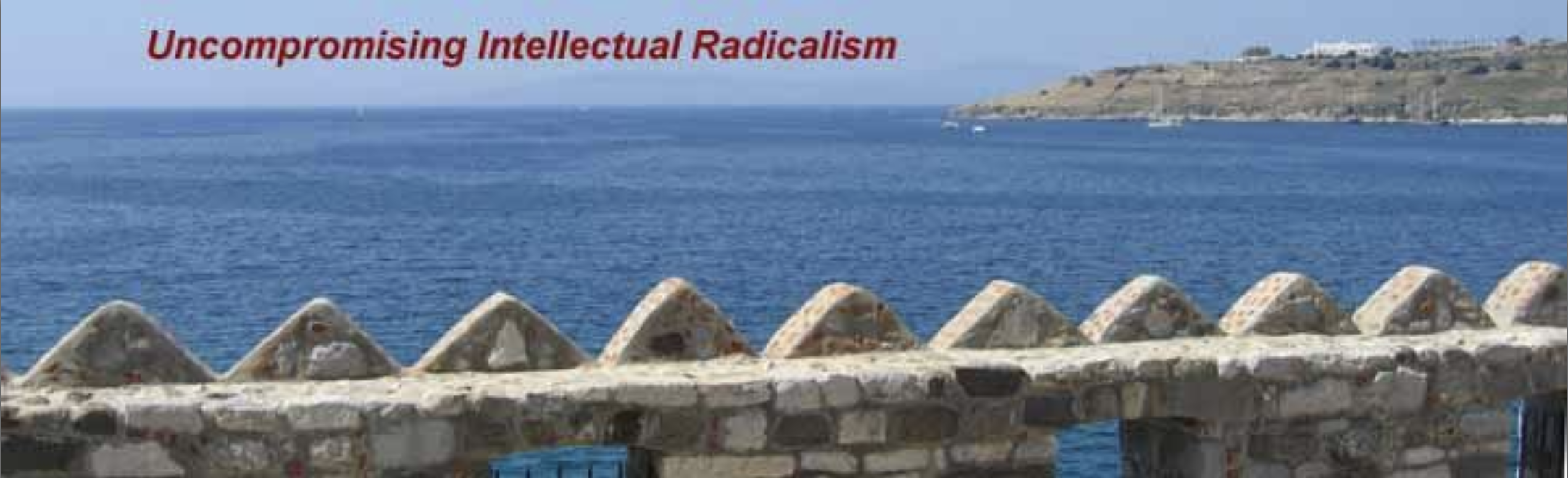
The Property and Freedom Society stands for an uncompromising intellectual radicalism: for justly acquired private property, freedom of contract, freedom of association—which logically implies the right to not associate with, or to discriminate against—anyone in one’s personal and business relations—and unconditional free trade. It condemns imperialism and militarism and their fomenters, and champions peace. It rejects positivism, relativism, and egalitarianism in any form, whether of “outcome” or “opportunity,” and it has an outspoken distaste for politics and politicians. As such it seeks to avoid any association with the policies and proponents of interventionism, which Ludwig von Mises had identified in 1946 as the fatal flaw in the plan of the many earlier and contemporary attempts by intellectuals alarmed by the rising tide of socialism and totalitarianism to found an anti-socialist ideological movement. Mises wrote: “What these frightened intellectuals did not understand government was that all those measures of interference with business which they advocated are abortive. … There is no middle way. Either the consumers are supreme or the government.” (“Observations on Professor Hayek’s Plan,” 1946; 2.)1
As culturally conservative libertarians, we are convinced that the process of de-civilization has again reached a crisis point and that it is our moral and intellectual duty to once again undertake a serious effort to rebuild a free, prosperous, and moral society. It is our emphatic belief that an approach embracing intransigent political radicalism is, in the long run, the surest path to our cherished goal of a regime of totally unfettered individual liberty and private property. In thus seeking a fresh and radical new beginning, we are hearing the old but frequently forgotten advice of Friedrich Hayek’s:
We must make the building of a free society once more an intellectual adventure, a deed of courage. What we lack is a liberal Utopia, a program which seems neither a mere defense of things as they are nor a diluted kind of socialism, but a truly liberal radicalism which does not spare the susceptibilities of the mighty…, which is not too severely practical and which does not confine itself to what appears today as politically possible. We need intellectual leaders who are prepared to resist the blandishments of power and influence and who are willing to work for an ideal, however small may be the prospects of its early realization. They must be men who are willing to stick to principles and to fight for their full realization, however remote. … Those who have concerned themselves exclusively with what seemed practicable in the existing state of opinion have constantly found that even this has rapidly become politically impossible as the result of changes in a public opinion which they have done nothing to guide. Unless we can make the philosophical foundations of a free society once more a living intellectual issue, and its implementation a task which challenges the ingenuity and imagination of our liveliest minds, the prospects of freedom are indeed dark. But if we can regain that belief in the power of ideas which was the mark of liberalism at its best, the battle is not lost.
F.A. Hayek, “The Intellectuals and Socialism,” in Studies in Philosophy, Politics and Economics (London: Routledge & Kegan Paul, 1967), p. 194.
Colophon : Our logo includes an image of a famous statue stolen from Bodrum by the British and currently in the British Museum.
Translations
| Chinese | Dutch | French | German | Portuguese | Russian | Spanish |
Chinese 中文
(translated by Peter Wong (Lion Rock Institute) (Hong Kong)
历史 (History)
财产与自由协会 (Property and Freedom Society, PFS) 于 2006 年 5 月在世界著名自由意志主义哲学家和奥地利学派经济学家汉斯-
创立一个国际协会以促进“奥地利学派-自由意志主义”的想法 — 这种经济和社会哲学在 20 世纪时主要由奥国经济学家路德维希·冯·米塞斯 (Ludwig von Mises) 和他来自美国的得意门生穆雷· N·罗斯巴德 (Murray N. Rothbard) 所代表,并可追溯到 19 世纪的法国经济学家弗雷德里克·巴斯夏 (Frederic Bastiat) 和古斯塔夫·德·莫利纳里 (Gustave de Molinari) — 于 2005 年 8 月由霍普在阿拉巴马州奥本 (Auburn, Alabama) 举行的米塞斯研究所年度夏季大学课程中, 在一次小型非正式聚会上首次提出。 出席会议的托马斯·迪洛伦佐 (Thomas DiLorenzo)、吉多·霍尔斯曼 (Guido Hülsmann) 和拉尔夫·赖科 (Ralph Raico) 对该项目表示欢迎,古尔钦·伊姆雷 (Guelcin Imre) 提出在土耳其博德鲁姆主办该协会的首次会议。 不久之后,沃尔特·布洛克 (Walter Block)、约瑟夫·萨勒诺 (Joseph Salerno) 和斯特凡·金塞拉 (Stephan Kinsella)也相继加入了会议。
原则 (Principle)
成立大会的开幕宣言:土耳其博德鲁姆,2006 年 5 月
财产与自由协会 (PFS) 代表着绝不妥协的知识激进主义:主张合法取得的私有财产、
作为文化保守派的自由意志主义者,我们深信“去文明化”
“我们必须把建立一个自由社会的理想,转化成一场知识上的历险、
Dutch
History and beginnings
(translated by Oscar Petri)
History
De Property and Freedom Society (PFS) was launched in May 2006 initiating the vermaarde libertarische filosoof en economie der Oostenrijkse School Hans-Hermann Hoppe. We are pleased to announce that the hotel is located in the Hotel Karia Princess in Bodrum, Turkije. Het idea of an international society opted for the richness of “Austro-libertarianism”, of social economic philosophy of the 20th century and of the green world werd by Ludwig von Mises in his country, Amerikaanse, leerling Murray N. Rothbard, die terug Gaat op de 19de euwse Franstalige economicen Frederic Bastiat en Gustave de Molinari, werd voor het eerst geopperd door Hans-Hermann Hoppe in augustus 2005 tijdens een kleine, informale, bijeenkomst op de jaarlijkse Mises Institute Summer University in Auburn, Alabama. From the start of the project, Thomas DiLorenzo, Guido Hülsmann and Ralph Raico, welcomden the project in Guelcin Imre bood aan als gastvrouw op te treden van de sociëteit in Bodrum, Turkije. Kort daarna sloten Walter Block, Joseph Salerno en Stephan Kinsella zich bij het project aan.
Beginners
Beginselverklaring van de oprichtingsbijeenkomst: Bodrum, Turkije, mei 2006
De Property and Freedom Society staat voor compromisloos intellectueel radicalisme: voor rechtmatig verkregen privaat eigendom, vrijheid van contract, vrijheid van associatie – wat logischerwijs het recht insluit geen verbindingen met iemand aan te gaan of iemand in zijn persoonlijke relaties en zakenrelaties te discrimineren en onvoorwaardelijke vrijhandel. Zij veroordeelt imperialisme en militarisme en hun aanstichters en zij staat vrede voor. Zij wijst positivisme, relativisme en egalitarisme in welke vorm dan ook, om het even welk “resultaat” of “gelegenheid”, af en zij heeft een uitgesproken afkeer van politiek en politici. Als zodanig tracht zij elke verbintenis met de politiek en de voorstanders van inmenging te vermijden, wat Ludwig von Mises in 1946 beschouwde als de doodsteek voor het plan van vroegere en tegenwoordige pogingen door intellectuelen die, gealarmeerd door de opkomende vloed van socialisme en totalitarisme, een anti-socialistische ideologische beweging oprichtten. Mises schreef: “Wat deze bevreesde intellectuelen niet begrepen was dat al die vormen van overheidsbemoeienis met zaken, waar zij voor stonden, gedoemd zijn te mislukken…Er is geen middenweg. Of de overheid of de klant is koning.”
Als cultuur-conservatieve libertariërs zijn wij ervan overtuigd dat het proces van de-civilisatie weer een kritisch punt bereikt heeft en dat het onze morele en intellectuele plicht is om weer een serieuze poging te ondernemen een vrije, bloeiende en morele gemeenschap te herbouwen. Het is onze vaste overtuiging dat de methode van het omhelzen van een compromisloos politiek radicalisme, op de lange termijn de meest zekere weg is naar ons gekoesterde doel van een heerschappij van een volledige, onbelemmerde, individuele vrijheid en privaat eigendom. Aldus zoeken wij een fris en radicaal nieuw begin, we nemen het oude maar vaak vergeten advies van Friedrich Hayek ter harte:
“Wij moeten van het bouwen van een vrije samenleving weer een intellectueel avontuur, een moedige daad, maken. Wat wij missen is een liberaal Utopia, een programma dat niet slechts een verdediging is van de dingen zoals ze zijn, noch op een verwaterd soort socialisme lijkt, maar een waarlijk liberaal radicalisme is dat de gevoeligheden der machtigen niet spaart…, dat niet te streng praktisch is en zich niet beperkt tot wat vandaag de dag in politiek opzicht mogelijk lijkt. Wij hebben intellectuele leiders nodig die bereid zijn de verlokking van macht en invloed te weerstaan en die bereid zijn te werken voor een ideaal, hoe klein het vooruitzicht op een snelle verwerkelijking ook zijn moge. Zij moeten bereid zijn zich te houden aan hun principes en te vechten voor hun volkomen verwerkelijking, hoe ver weg ook. …Als wij de filosofische fundamenten van een vrije samenleving niet weer tot een levende intellectuele aangelegenheid maken, en haar uitvoering tot een taak die het vernuft en de verbeelding van onze levendige geesten prikkelt, zijn de vooruitzichten voor de vrijheid inderdaad duister. Maar als wij het geloof in de kracht van ideeën herwinnen, het handelsmerk van het liberalisme op z’n best, is de strijd niet verloren.”
French
HISTOIRE de la Property and Freedom Society
(translated by Olivier Richard)
La Property and Freedom Society (PFS) a été établie en mai 2006 à l’initiative du célèbre philosophe libertarien et économiste de l’école autrichienne Hans-Hermann Hoppe. La conférence inaugurale s’est déroulée à l’hôtel Karia Princess à Bodrum en Turquie.
L’idée de fonder une société internationale pour la promotion de l’« austro-libertarianisme », la philosophie économique et sociale dont les représentants les plus significatifs au XXème siècle furent l’économiste autrichien Ludwig von Mises et son éminent étudiant américain Murray N. Rothbard, et qui s’inscrit dans la lignée des économistes français du XIXème siècle Frédéric Bastiat et Gustave de Molinari, a été lancée pour la première fois par Hans-Hermann Hoppe en août 2006 au cours d’une petite réunion informelle pendant l’université d’été organisée annuellement par le Mises Institute à Auburn dans l’Alabama. Ceux présents à la réunion, Thomas DiLorenzo, Guido Hulsmann et Ralph Raico, accueillirent avec enthousiasme ce projet, et Guelcin Imre offrit d’organiser la conférence inaugurale de la société à Bodrum en Turquie. Peu de temps après, Walter Block, Joseph Salerno, et Stephan Kinsella se joignirent au projet.
PRINCIPES de la Property and Freedom Society
Déclaration d’ouverture de la conférence inaugurale: Bodrum, Turquie, mai 2006
La Property and Freedom Society prône un radicalisme intellectuel sans compromission: pour la propriété privée légitimement acquise, la liberté de contrat, la liberté d’association – qui implique logiquement la liberté de ne pas s’associer avec, ou de discriminer contre – quiconque, dans le cadre des relations personnelles et professionnelles – et le libre échange sans conditions. Elle condamne l’impérialisme, le militarisme et ceux qui les fomentent, et se pose en championne de la paix. Elle rejette le positivisme, le relativisme, et l’égalitarisme sous toutes ses formes, que ce soit de « résultat » ou d’« opportunité », et affiche ouvertement son aversion pour la politique et les politiciens. En tant que telle, elle evite toute association avec les programmes et les partisans de l’interventionnisme, ce que Ludwig von Mises avait identifié dès 1946 comme étant l’erreur fatale des nombreuses tentatives passées et présentes de la part d’intellectuels inquiétés par la vague montante du socialisme et du totalitarisme pour fonder un mouvement idéologique anti-socialiste. Mises a écrit: « Ce que ces intellectuels apeurés ne comprenaient pas, c’est que toutes ces mesures d’ingérence gouvernementale dans le monde des affaires qu’ils prônaient étaient abortives… Il n’y a pas de voie moyenne. Soit les consommateurs règnent de manière suprême, soit c’est le gouvernement. » (« Observations sur le plan du professeur Hayek », mémorandum dactylographié daté du 31 décembre 1946.)
En tant que libertariens culturellement conservateurs, nous sommes convaincus que le processus de dé-civilisation a de nouveau atteint un point critique et qu’il est notre devoir moral et intellectuel de produire à nouveau un effort vigoureux pour reconstruire une société libre, prospère et morale. Nous croyons emphatiquement qu’une approche embrassant un radicalisme politique intransigeant est, à long terme, le plus sûr chemin pour arriver à notre but chéri d’un régime de liberté individuelle et de propriété privée sans aucune contrainte. En recherchant ainsi un nouveau commencement original et radical, nous suivons le conseil ancien mais fréquemment oublié de Friedrich Hayek:
« Nous devons à nouveau rendre la création d’une société libre une aventure intellectuelle, un acte de courage. Ce qui nous manque, c’est une utopie libérale, un programme qui ne semble être ni une simple défense des choses existantes, ni une forme diluée de socialisme, mais un véritable radicalisme libéral qui n’épargne pas les susceptibilités des puissants…, qui ne soit pas strictement pratique, et qui ne se confine pas à ce qui semble aujourd’hui politiquement possible. Nous avons besoin de leaders intellectuels qui soient préparés à résister aux flatteries des gens puissants et influents, qui aient envie de travailler pour un idéal, aussi faibles soient les perspectives de sa prochaine réalisation. Il doit s’agir d’hommes qui veulent adhérer à des principes et se battre pour leur pleine réalisation, aussi éloignée soit elle… A moins que nous ne puissions refaire de la construction des fondations philosophiques d’une société libre une question intellectuelle d’actualité, et de son accomplissement une tâche qui soit un défi pour l’ingéniosité et l’imagination de nos esprits les plus vivants, l’avenir de la liberté est effectivement sombre. Mais si nous pouvons retrouver la croyance au pouvoir des idées qui était la marque du libéralisme à sa meilleure époque, la bataille n’est pas perdue. »
German
Geschichte der Property and Freedom Society
(translated by Robert Grözinger)
Die Property and Freedom Society, eine Idee des namhaften libertären Philosophen und Ökonomen der Österreichischen Schule Hans-Hermann Hoppe, wurde im Mai 2006 im Hotel Karia Princess in Bodrum, Türkei, ins Leben gerufen.
Die Idee, eine internationale Gesellschaft zur Förderung von “Austro-Libertarismus” zu gründen, also der ökonomischen und sozialen Philosophie, die im 20. Jahrhundert am herausragendsten durch den österreichischen Ökonomen Ludwig von Mises und seinem führenden amerikanischen Schüler Murray N. Rothbard vertreten wurde, und die auf die Lehren der französischen Ökonomen des 19. Jahrhunderts Frederic Bastiat und Gustave de Molinari zurückgreift, wurde erstmals im August 2005 im Verlauf einer kleinen, informellen Versammlung an der jährlichen Mises Institute Summer University in Auburn, Alabama, präsentiert. Die bei der Versammlung Anwesenden, Thomas DiLorenzo, Guido Hülsmann und Ralph Raico, begrüßten das Projekt, und Gülcin Imre bot an, die Gastgeberin der Eröffnungsversammlung in Bodrum, Türkei, zu sein. Kurz danach schlossen sich Walter Block, Joseph Salerno, und Stephan Kinsella dem Projekt an.
Einführungserklärung der Eröffnungsversammlung: Bodrum, Mai 2006
Die Property and Freedom Society steht für kompromißlose intellektuelle Radikalität: für rechtmäßig erworbenes Eigentum, Vertragsfreiheit, Koalitionsfreiheit – was logischerweise das Recht mit einschließt, in persönlichen oder geschäftlichen Beziehungen keine Verbindungen einzugehen, beziehungsweise zu diskriminieren – und uneingeschränkten Freihandel. Sie verurteilt Imperialismus und Militarismus und ihre Anstifter, und kämpft für Frieden. Sie lehnt Positivismus, Relativismus und Egalitarismus in jedweder Form ab, ob als „Ergebnis“ oder als „Chance“, und hat eine ausgesprochene Abneigung gegen Politiker und Politik. Als solche versucht sie, jegliche Verbindung mit der Politik und der Förderung des Interventionismus zu vermeiden, den Ludwig von Mises im Jahr 1946 als verhängnisvollen Fehler im Plan vieler früherer und gegenwärtiger Versuche von Intellektuellen erkannte, die, von der steigenden Flut des Sozialismus und des Totalitarismus beunruhigt, eine anti-sozialistische Bewegung gründeten. Mises schrieb: „Was diese verängstigten Intellektuellen nicht verstanden war, daß alle diese Maßnahmen regierungsseitiger Interventionen zum Scheitern verurteilt sind … Es gibt keinen Mittelweg. Entweder die Konsumenten sind souverän, oder die Regierung.“
Als kulturell konservative Libertäre sind wir überzeugt, daß der Prozeß der Entzivilisierung wieder einen kritischen Punkt erreicht hat und daß es unsere moralische und intellektuelle Pflicht ist, wieder einmal einen ernsthaften Versuch zu unternehmen, eine freie, florierende und moralische Gesellschaft wiederherzustellen. Wir sind entschieden davon überzeugt, daß ein Ansatz, der sich einen kompromißlosen politischen Radikalismus zu eigen macht, langfristig der sicherste Weg zu unserem erhofften Ziel einer Herrschaft vollständig ungehinderter individueller Freiheit und des Privateigentums ist. Indem wir somit einen frischen und radikalen Neuanfang unternehmen, beachten wir den alten, aber oft vergessenen Rat von Friedrich Hayek:
„Wir müssen das Errichten einer freien Gesellschaft wieder in ein intellektuelles Abenteuer, in eine mutige Tat verwandeln. Was uns fehlt ist eine liberale Utopie, ein Programm, das weder als bloße Verteidigung der Dinge wie sie sind erscheint, noch als eine verwässerte Form des Sozialismus, sondern als ein wahrhaft liberaler Radikalismus, der die Gefühle der Mächtigen nicht schont …, der nicht allzu streng praktisch ist und der sich nicht auf das beschränkt, was heute als politisch möglich erscheint. Wir brauchen intellektuelle Führer, die bereit sind, den Schmeicheleien der Macht und des Einflusses zu widerstehen und willens sind, für ein Ideal zu arbeiten, so klein die Aussichten auf eine frühe Verwirklichung auch sein mögen. Sie müssen Menschen sein, die willens sind, an Prinzipien festzuhalten und für ihre vollständige Verwirklichung zu kämpfen, so fern diese auch sei. … Wenn wir die philosophischen Fundamente einer freien Gesellschaft nicht wieder zu einer lebendigen intellektuellen Angelegenheit machen können, und ihre Verwirklichung eine Aufgabe, die den Einfallsreichtum und die Phantasie der lebhaftesten Geister herausfordert, sind die Aussichten für die Freiheit in der Tat düster. Aber wenn wir jenen Glauben an die Macht der Ideen wiedergewinnen, der das Markenzeichen des Liberalismus in seiner besten Zeit war, ist die Schlacht nicht verloren.“
Portuguese
História da Sociedade da Propriedade e da Liberdade
(translated by Manuel Ogando)
A Property and Freedom Society (PFS), criação do renomado filósofo libertário e economista austríaco Hans-Hermann Hoppe, foi estabelecida em Maio de 2006 no Hotel Karia Princess, em Bodrum, Turquia.
A ideia de fundar uma organização internacional para a promoção do “austro-libertarianismo” – a filosofia económica e social representada de forma mais proeminente, no século XX, pelo economista austríaco Ludwig von Mises e pelo seu principal discípulo americano, Murray N. Rothbard, e remontando aos economistas franceses do século XIX Frédéric Bastiat e Gustave de Molinari -. foi apresentada pela primeira vez por Hans-Hermann Hoppe em Agosto de 2005, durante uma pequena reunião informal na Summer University do Mises Institute, em Auburn, Alabama. Os presentes, Thomas DiLorenzo, Guido Hülsmann e Ralph Raico, acolheram favoravelmente o projecto, e Guelcin Imre ofereceu-se para ser anfitriã da reunião inaugural da sociedade em Bodrum, Turquia. Pouco depois, Walter Block, Joseph Salerno e Stephan Kinsella juntaram-se ao projecto.
A Property and Freedom Society defende um radicalismo intelectual intransigente: pela propriedade privada justamente adquirida, pela liberdade contratual, pela liberdade de associação — que implica logicamente o direito de não se associar com, ou de discriminar contra, quem quer que seja nas relações pessoais e comerciais — e pelo livre-comércio incondicional. Condena o imperialismo e o militarismo e os seus fomentadores, e advoga a paz. Rejeita o positivismo, o relativismo e o igualitarismo em qualquer forma, seja de “resultados” seja de “oportunidade”, e tem uma aversão declarada à política e aos políticos. Como tal, procura evitar qualquer associação com as políticas e os proponentes do intervencionismo, que Ludwig von Mises identificara em 1946 como a falha fatal no plano das numerosas tentativas, anteriores e contemporâneas, de intelectuais alarmados pela vaga ascendente do socialismo e do totalitarismo de fundar um movimento ideológico anti-socialista. Mises escreveu: “O que estes intelectuais assustados não compreenderam foi que todas aquelas medidas de interferência governamental nos negócios que eles advogavam são abortivas.. (…) Não há uma terceira via. Ou os consumidores são soberanos, ou o governo.”
Como libertários culturalmente conservadores, estamos convencidos de que o processo de descivilização atingiu novamente um ponto de crise, e de que é o nosso dever moral e intelectual empreender, uma vez mais, um esforço sério para reconstruir uma sociedade livre, próspera e moral. É nossa convicção enfática que uma abordagem que abrace um radicalismo político intransigente é, a longo prazo, o caminho mais seguro para o nosso prezado objectivo: um regime de liberdade individual totalmente desimpedida e de propriedade privada. Ao procurar deste modo um novo início, fresco e radical, escutamos o conselho antigo, mas frequentemente esquecido, de Friedrich Hayek:
“Devemos fazer da construção de uma sociedade livre, uma vez mais, uma aventura intelectual, um feito de coragem. O que nos falta é uma Utopia liberal, um programa que não pareça nem uma mera defesa das coisas tal como são, nem uma espécie diluída de socialismo, mas um verdadeiro radicalismo liberal que não poupe as susceptibilidades dos poderosos…, que não seja severamente prático demais e que não se confine ao que hoje parece politicamente possível. (…) Precisamos de homens que tenham influência e que estejam dispostos a trabalhar por um ideal, por mais reduzidas que sejam as perspectivas da sua realização próxima. Devem ser homens dispostos a manter princípios e a lutar pela sua plena realização, por mais remota que pareça. Se não pudermos tornar os fundamentos filosóficos de uma sociedade livre, uma vez mais, uma questão intelectual viva, e a sua implementação uma tarefa que desafie o engenho e a imaginação das nossas mentes mais brilhantes, então as perspectivas de liberdade serão realmente sombrias. Mas se pudermos recuperar aquela crença no poder das ideias, que foi a marca do liberalismo no seu melhor momento, a batalha não estará perdida.”
Russian
(translated by Yuri Maltsev)
История создания Общества собственности и свободы
Общество собственности и свободы (ОСС) основано в мае 2006 года по инициативе всемирно известного либертарианского философа и экономиста Австрийской школы Гансa – Германа Хоппе на Учредительном собрании в Отеле Принцесса Карии в Бодруме, Турция. Идея основания международного интеллектуального общества Австро-либертарианства была выдвинута Гансом-Германом Хоппе во время неформальной встречи на ежегодном летнем Университете фон Мизеса в городе Обэрн, штата Алабама, США в 2005 году. Присутствовавшие на встрече Томас ДиЛоренцо, Гвидо Хюльсманн и Ральф Райко поддержали идею Хоппе и Гюльчин Имре предложила провести учредительное собрание в Бодруме. Вскоре к основателям присоединились Уолтер Блок, Джозеф Салерно и Стефан Кинселла.
Австро-либертарианство является экономической и социальной философией наиболее ярко выраженной в 20 веке австрийским экономитсом Людвигом фон Мизесом и его ведущим американским учеником и последователем Мюррей Ротбардом. Эта философия ведет начало в трудах французских экономистов 19 века Фредерика Бастиа и Гюстава де Молинари.
Декларация принципов Общества собственности и свободы принятых на учредительном заседании Общества в Бодруме, Турция в мае 2006 года
Общество собственности и свободы основано на бескомпромиссном интеллектуальном радикализме в защите законно приобретенной собственности, свободе сделок и контрактов, свободе ассоциации и неассоциации или дискриминации, как в личной так и в деловой и общественной жизни, а также за полную свободу торговли.
Общество решительно выступает за мир, против империализма и милитаризма и разжигателей войны. Оно отвергает позитивизм, релативизм и эгалитаризм во всех их формах, включая “равенство в результатах” и “равенство возможностей”. Общество с неприязнью и подозрительностью относится к политикам и политиканам всех сортов. Оно отвергает любую связь с политическими деятелями – защитниками государственного вмешательства в людские дела. Людвиг фон Мизес в 1946 году назвал “смертельной ошибкой” попытку включить таких политиков в анти-социалистическое идеологическое движение той поры. Он писал -”Эти напуганные интеллигенты не понимают, что все предлагаемые ими меры государственного управления экономикой носят разрушительный характер… Среднего пути нет – или верховенство потребителей или государства”.
Будучи консерваторами в культуре, мы убеждены что процесс разрушения цивилизации уже достиг кризисного момента. Мы рассматриваем наше объединение в качестве нашего морального и интеллектуального долга, как серезную попытку восстановления свободного и процветащего общества.
Мы подчеркиваем, что такой бескомпромиссный, радикальный подход является в итоге кратчайшим путем к нашей желанной цели – неограниченной свободе личности и частной собственности. В наших поисках свежего и радикального подхода к нашим задачам мы руководствуемся старым, но к сожалению забытым советом Фридриха Августа фон Хаека –
Мы должны поставить задачу построения свободного общества как наиболее привлекательную идею, как интеллектуальный вызов требущий большой смелости. Нам нужна наша либеральная утопия – программа по настоящему радикального либерализма а никак не защиты существующего порядка или нового разбавленного варианта социализма, программа которая не щадит власть предержащих… программа которая ставит цели более радикальные чем это может быть достижимо политически сегодня. Нам нужны гиганты мысли которых нельзя совратить обещаниями власти и влияния и которые могут полностью посвятить себя борьбе за далекий но чистый идеал не считаясь с тем что на его претворение уйдет много времени… Если нам не удастся поставить на повестку дня интеллектуальных дебатов обсуждение философских основ и путей создания подлинно свободного общества, то переспективы его достижения весьма проблематичны. Победа будет одержана лишь тогда, когда вера в силу и торжество идей, бывшая основой либерализма в его лучшем выражении, будет сохранена и поддержана.
Spanish
Historia de la Property and Freedom Society
(translated by José Carlos Rodriguez and Manuel Lora; with the assistance of Marisa J.)
La Property and Freedom Society (PFS), creada por el renombrado filósofo libertario y economista austriaco Hans-Hermann Hoppe, fue establecida en mayo del 2006 en el Hotel Karia Princess en Bodrum, Turquía.
La idea de fundar una organización para promover el “Austro-libertarismo”, la filosofía económica y social caracterizada de la manera más prominente durante el siglo 20 por el economista austriaco Ludwig von Mises y su estudiante estadounidense Murray N. Rothbard, y atado a los economistas franceses decimonónicos Frederick Bastiat y Gustave de Molinari, fue presentada por Hans-Hermann Hoppe en agosto del 2005 durante una pequeña reunión informal en el Summer University del Mises Institute en Auburn, Alabama. Los que estuvieron presente en la reunión, Thomas DiLorenzo, Guido Hulsmann y Ralph Raico, le dieron la bienvenida al proyecto, y Guelcin Imre ofreció ser el anfitrión de la reunión inaugural de la sociedad en Bodrum, Turquía. Poco después, Walter Block, Joseph Salerno, y Stephan Kinsella se unieron al proyecto.
FUNDAMENTOS de la Property and Freedom Society
Declaración inaugural de la reunión en Bodrum, Turquía, mayo 2006
La Property and Freedom Society se manifiesta por un radicalismo intelectual sin compromisos: en defensa de la propiedad privada justamente adquirida, la libertad de contratos, la libertad de asociación, que lógicamente implica el derecho de no asociarse con (o discriminar contra) cualquiera, en los asuntos personales, así como un libre comercio sin condiciones. Condena el imperialismo y el militarismo y a quienes los fomentan, y lucha por la paz. Rechaza el positivismo, el relativismo y el igualitarismo en cualquiera de sus formas, ya sea de resultados o de oportunidad, y tiene un manifiesto distanciamiento de los políticos y la política. Como tal, busca evitar cualquier asociación con las políticas y propuestas de los intervencionistas, que Ludwig von Mises identificó en 1946 como el error fatal, en el plan de muchos antecedentes y contemporáneos intentos de los intelectuales, alarmados por la creciente ola de socialismo y totalitarismo, que se encuentra en el movimiento ideológico antisocialista. Mises escribió: “Lo que no comprendieron estos asustados intelectuales era que todas esas medidas de interferencia gubernamental en los asuntos que ellos defienden son abortivas… No hay tercera vía. O los consumidores son soberanos, o lo es el Gobierno”.
Como libertarios culturalmente conservadores, estamos convencidos de que el proceso de descivilización ha alcanzado un punto de crisis y que es nuestro deber moral e intelectual llevar a cabo un serio esfuerzo de reconstruir una sociedad libre, próspera y moral. Es nuestra profunda creencia que una aproximación desde el radicalismo políticamente intransigente es, en el largo plazo, el camino más seguro para nuestro querido objetivo de un régimen totalmente libre de trabas a la libertad individual y a la propiedad privada. En esa búsqueda de un nuevo comienzo joven y radical, nos dirigimos a esas viejas y olvidadas palabras de Friedrich A. Hayek:
Debemos hacer que la construcción de una sociedad libre vuelva a ser una aventura intelectual, un acto de valentía. Lo que nos falta es una utopía liberal, un programa que no parezca ni una mera defensa de las cosas tal como son, ni una forma diluida de socialismo, sino un liberalismo verdaderamente radical que no respete las susceptibilidades de los poderosos…, que no sea excesivamente práctico y que no se limite a lo que hoy parece políticamente posible. Necesitamos hombres dispuestos a trabajar por un ideal, por pequeñas que sean las perspectivas de su pronta realización. Deben ser hombres que estén dispuestos a aferrarse a los principios y a luchar por su plena realización, por remota que sea. Si no podemos hacer que los fundamentos filosóficos de una sociedad libre vuelvan a ser un asunto intelectual vivo, y su implementación una tarea que desafíe el ingenio y la imaginación de nuestras mentes más brillantes, las perspectivas de libertad serán realmente sombrías. Pero si podemos recuperar esa creencia en el poder de las ideas que fue la marca del liberalismo en su mejor momento, la batalla no estará perdida.
- For more interesting information about the Mont Pèlerin Society , see: Bruce Caldwell, Mont Pèlerin 1947: Transcripts of the Founding Meeting of the Mont Pèlerin Society (Hoover Institution Press, 2022); Samuel Gregg, “When Classical Liberals Went to the Mountaintop,” AIER (March 28, 2022); Mont Pelerin Society 1980–2020, From the Past to the Future: Ideas and Actions for a Free Society, The Mont Pelerin Society, A Special Meeting, Hoover Institution and Stanford University (Jan. 16-17, 2020). [↩]








 Doug French
 Fernando Chiocca
 Hans-Hermann Hoppe
 Jay Baykal
 Juan Fernando Carpio
 PFS
PFS Stephan Kinsella
 Tom DiLorenzo
Follow Us!