In a recent article for Die Weltwoche, Phillip Gut discusses the “triumph of the chainsaw,” citing specific praise for Javier Milei in The Washington Post.
The rapid transition from nearly a century of socialism to free-market capitalism continues to demonstrate the superiority of the latter, says Gut. However, the Milei administration, which took office in December 2023, is actually just as socialist as its predecessors. So what free-market capitalism is Gut talking about? Indeed, beyond a few half-hearted steps toward deregulation—which in no way challenge the most cherished interests of the business classes most closely tied to power—Mileism is more of the same, even in Argentina’s statism standards: high taxes, money printing, indebtedness, and so on. There is certainly no clear improvement whatsoever.
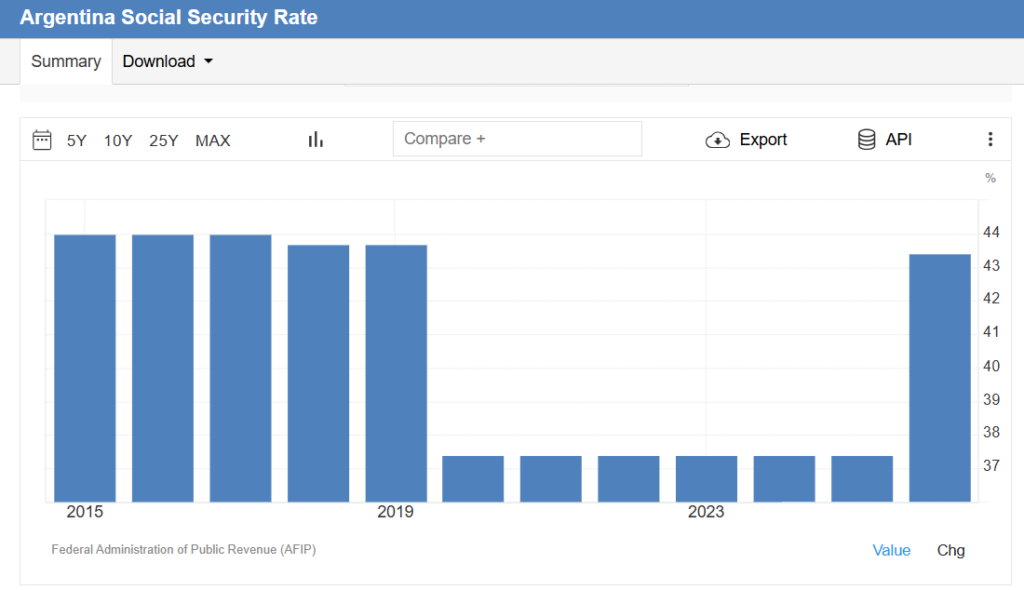
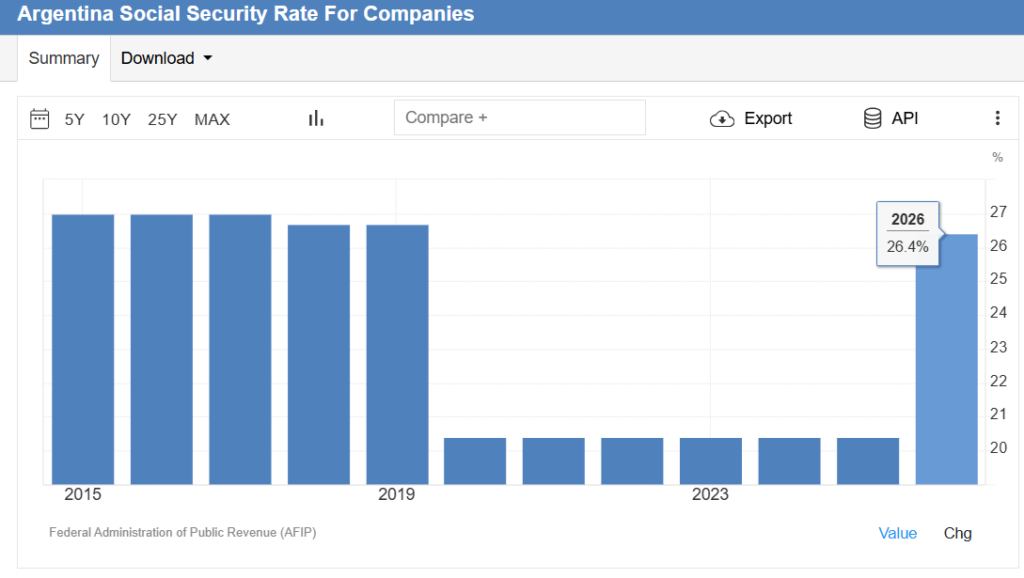
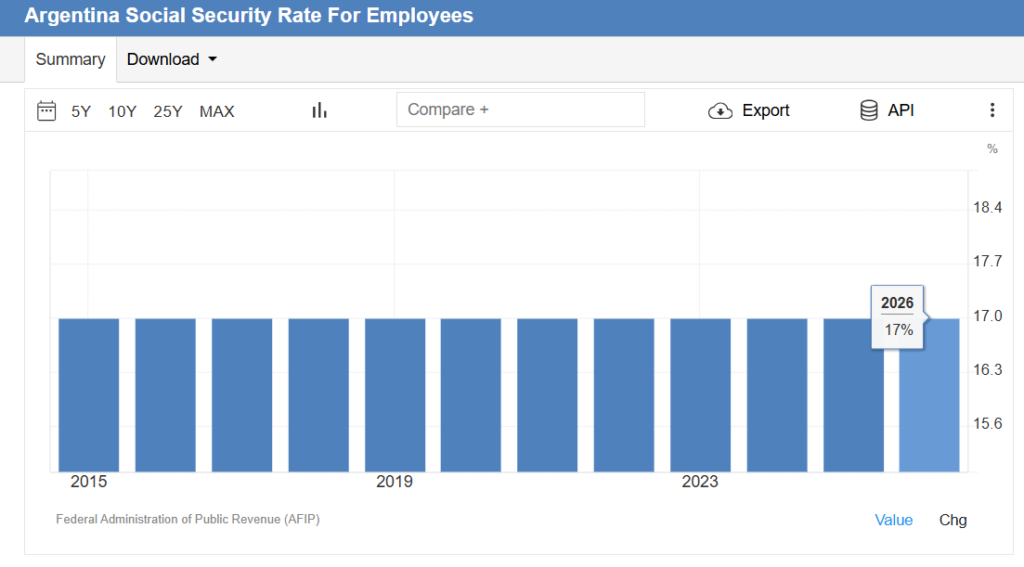
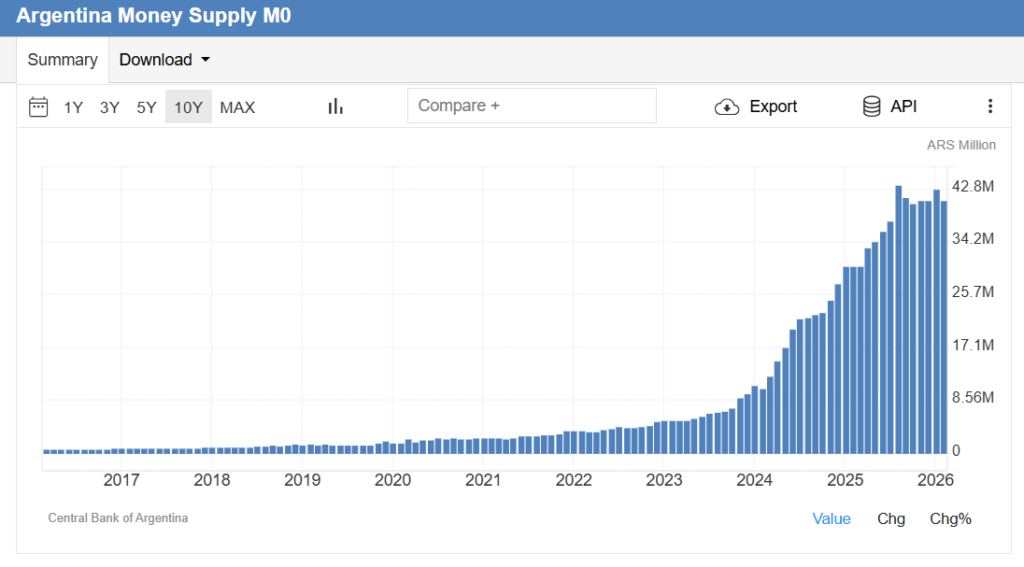
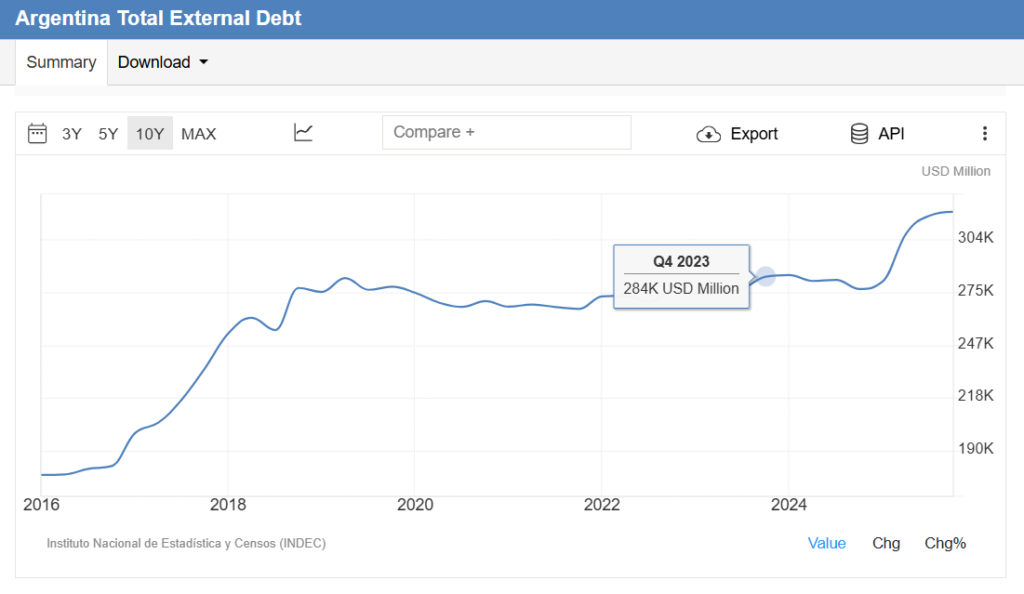
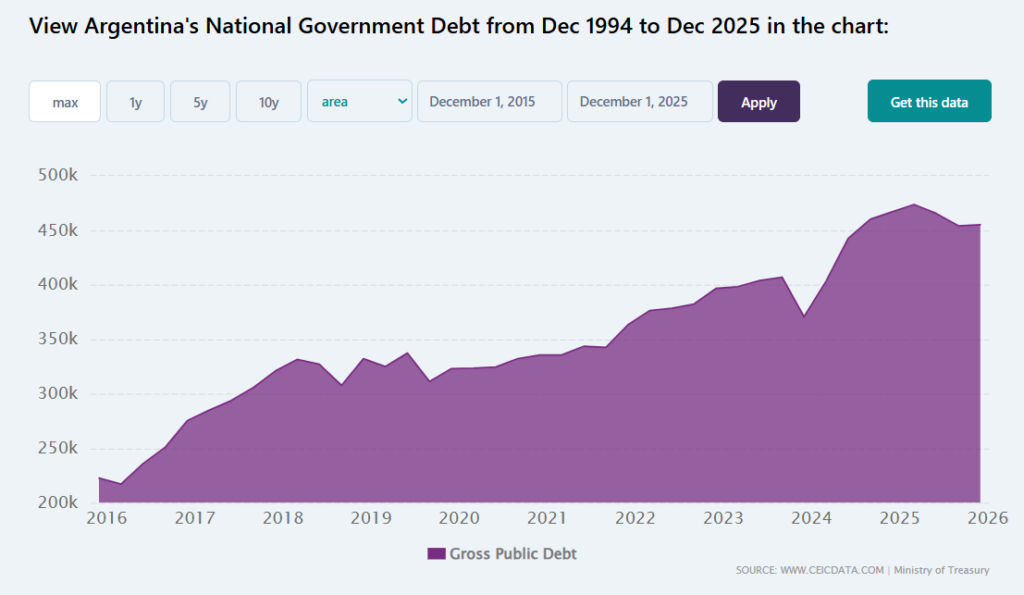
Sources: tradingeconomics.com; ceicdata.com
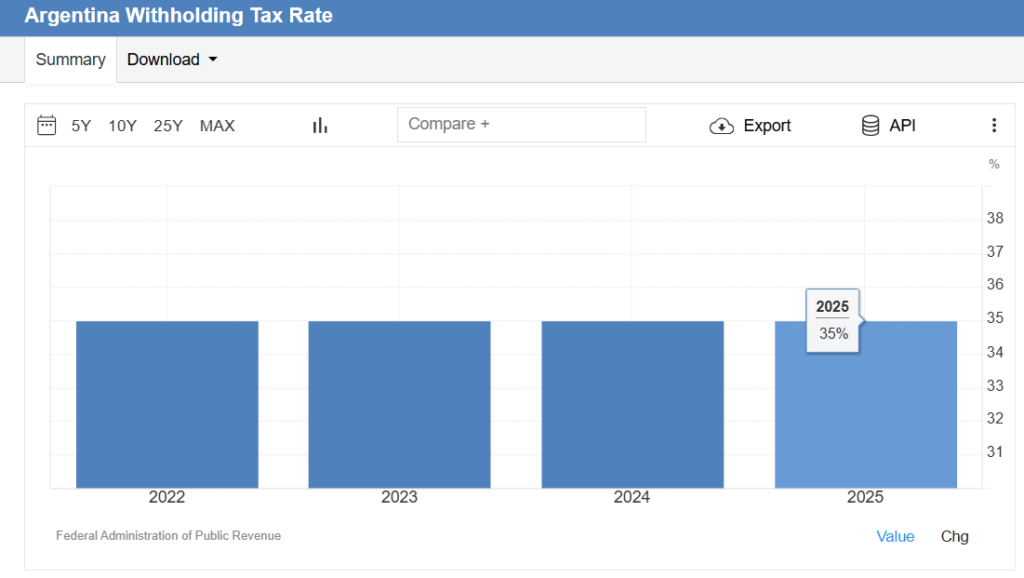
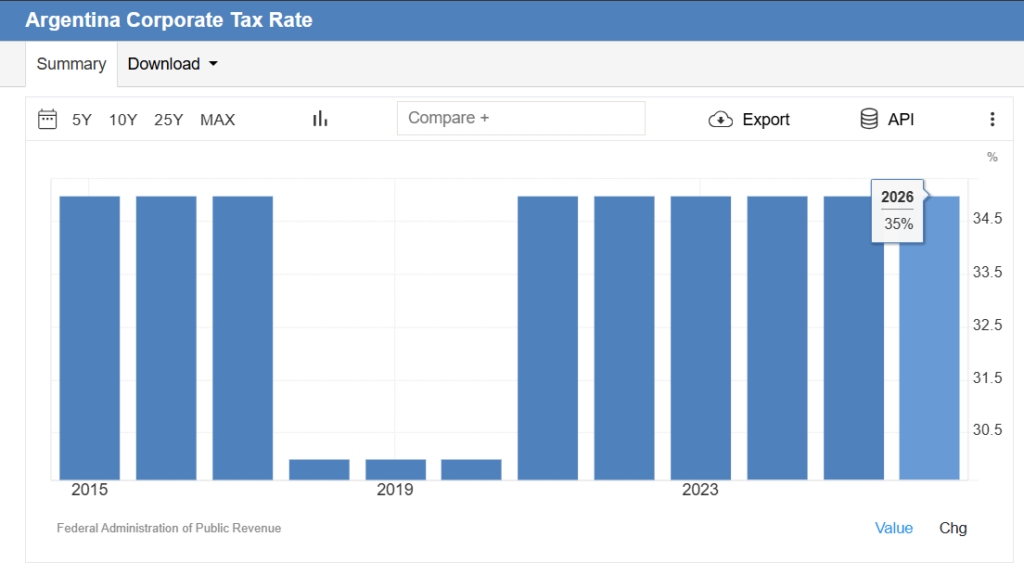
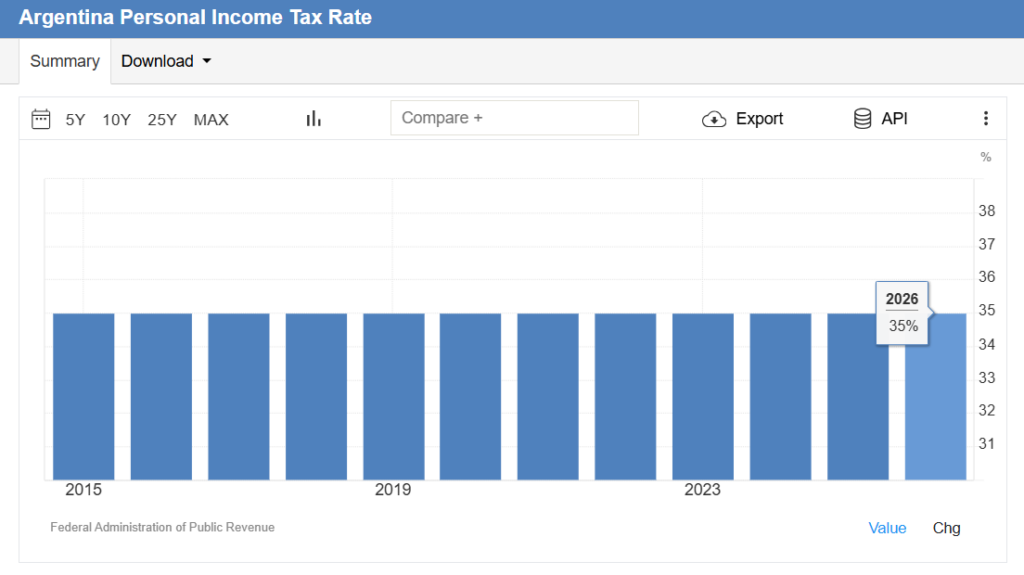
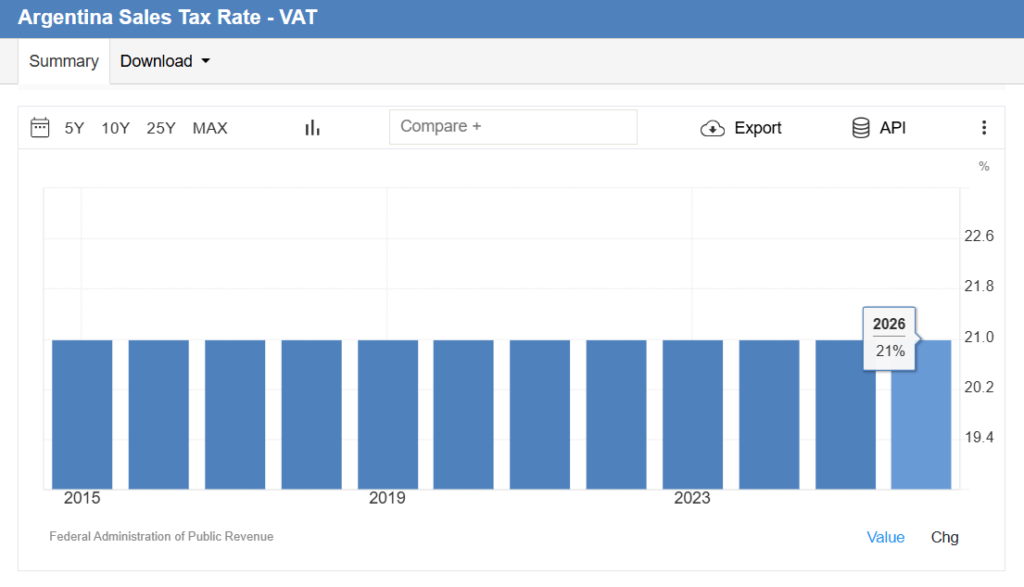
As we have seen, although there have been various tax cuts here and there from time to time during Milei’s term, the most relevant taxes have remained virtually unchanged. What’s more, Milei even managed to get Congress to approve in mid-2024 the reinstatement of an income tax bracket for nearly one million wage earners in a country of 44 million people. Even worse is the case of debt; both gross public debt and external debt have increased significantly under the Milei administration.
To make matters worse, in some respects freedom has in fact been severely curtailed, as evidenced by the advances of Milei’s Zionist police state. And we will spare Gut any further detailed analysis of Milei’s appalling foreign policy.
Gut points out that the poverty rate fell from 53% to 28% in two years, but this—in addition to being based on figures compiled by government officials—is completely implausible when one considers that Milei has failed miserably to attract real investment, companies have closed down at amazing lengths, and several productive sectors have suffered. The Milei administration has prioritized financial stability for a few at the expense of the many who continue to suffer from economic stagnation. Actually, in a sense, any reduction in poverty should be attributed more to income redistribution, since welfare benefits have increased by 50% under Milei’s term compared to his Peronist predecessor. And contrary to what Gut argues, unemployment in Argentina clearly has much more to do with the economic crisis than with the mild reduction in the number of public-sector workers.
On the other hand, Gut exaggerates the significance of the budget surplus for Argentina’s economy. If anything, the surplus was accomplished not only with budget cuts but also with tax increases, which are inherently bad for the economy. Besides, the surplus did not prevent Milei from engaging in historic levels of money printing, i.e., of coercive inflation (quadrupling the monetary base in less than two years). This also completely refutes the heroic narrative of Milei’s fight against price inflation. And even though official price inflation figures showed a significant overall decline during his first year and a half in office (while they have shown a slight upward trend again in the last year), this cannot by any means be considered a major achievement—especially considering Milei’s entire monetary policy.
At the very least, Austro-libertarians can be grateful that Gut describes Milei as an economist and a disciple of Milton Friedman and Adam Smith, which makes it even clearer just how far Milei stands from legendary Austrian economists such as Murray Rothbard and Ludwig von Mises. Furthermore, as any mainstream economist would, Gut refers to Argentina’s GDP growth in 2025. Here, he partially acknowledges the 2024 recession, which was neither brief, as he says, nor has it truly left Argentina in many years. And yet, regardless of any correlation possible, GDP is useless for an accurate economic analysis, where the final word lies with the analysis of the policies in place and the hard, simpler numbers such as the monetary base and others indicated above.
Towards the end, Gut says that Milei will have to face the consequences of the war with Iran, which is driving up prices worldwide. Of course, how could he not, when Milei himself supports the war of his imperialist buddies?
Cheap articles like Gut’s piece on Milei appear regularly everywhere, and, unfortunately, even renowned Austrian economists have contributed to this trend.

















 Alessandro Fusillo
 Doug French
 Fernando Chiocca
 Hans-Hermann Hoppe
 Jay Baykal
 Juan Fernando Carpio
 Martin Cabrera
 Oscar Grau
 PFS
PFS Stephan Kinsella
 Tom DiLorenzo